How near field communication simplifies visitor experiences in smart cities
When you map out a modern tourism strategy, your primary goal involves reducing friction so visitors can navigate and learn about a new environment with ease. Near Field Communication (NFC) offers a practical solution by embedding small passive microchips into physical infrastructure that communicate instantly with standard smartphones. Because these tags do not require internal batteries or complex hardware installations, your team can deploy them across wide areas very cost-effectively. A simple tap of a phone connects a tourist to localized digital services, which creates a highly accessible and intuitive journey through your city.
Connecting visitors to museum exhibits through phone interactions
Indoor environments like museums present a unique opportunity to deliver context-rich content exactly where your visitors stand. You can place these small interactive tags next to display cases or paintings to provide fast access to deeper information without overhauling your entire exhibit infrastructure. This method integrates cleanly with your existing digital content management systems. Your team avoids the expense of developing proprietary applications while still offering a highly interactive experience for every guest.
Replacing traditional audio hardware with personal devices
Maintaining a fleet of dedicated audio guide devices requires significant staff time for charging, cleaning, and repairing hardware. By transitioning to a system based on smartphone interactions, you transfer the hardware responsibility entirely to the devices your visitors already own. Guests simply tap the tag next to an exhibit to stream audio guides directly through their personal headphones. This shift reduces your operational overhead while providing a more hygienic and comfortable experience for the user.
Providing deeper historical and artistic exhibit information
Physical display plaques often limit the amount of text you can share before the design becomes cluttered and overwhelming. Interactive tags allow you to bypass this physical constraint by linking visitors to comprehensive digital archives, high-resolution images, or video interviews with curators. Your guests can choose how deeply they want to engage with the material at their own pace. This layered approach to storytelling ensures that casual observers and dedicated researchers both find exactly the level of detail they desire.
Offering automatic language translations based on phone settings
Welcoming an international audience means you must find ways to bridge language barriers without printing countless variations of the same exhibit label. When a visitor interacts with a smart tag, the resulting web page can automatically detect the default language settings of their smartphone. The system then delivers the historical context and descriptions in their native tongue instantly. Your team only needs to maintain the translated text within your central database, which makes updating and expanding your language offerings a straightforward process.
Streamlining public transport ticketing and access
Moving tourists efficiently through high-traffic transit hubs requires ticketing solutions that minimize boarding queues and eliminate the confusion of paper tickets. You can implement open-loop architecture that allows riders to tap their standard contactless credit cards or mobile wallets against a transit validator terminal. The validator reads the encrypted credentials in a fraction of a second and communicates with cloud databases to calculate the exact fare. This tap-on and tap-off logic handles distance-based pricing automatically, which dramatically reduces congestion at turnstiles and bus doors.
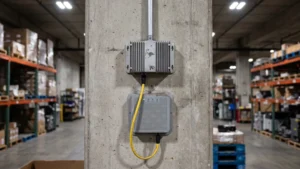
To maintain reliability in these dense environments, your team must carefully consider physical wear and environmental factors when deploying transit touchpoints. If you mount tags directly onto steel pillars or metal gates, you must use specialized anti-metal ferrite shielding to prevent the metal from absorbing the radio frequency field. You also need to protect the hardware from moisture and mechanical stress using industrial plastic enclosures that prevent the internal microchip from failing. Proper placement and robust encapsulation ensure that your transit system processes rapid passenger flows without frustrating technical delays.
Guiding tourists through outdoor attractions and city trails
Deploying technology across uncontrolled outdoor spaces like historical trails and public parks requires hardware built specifically to endure harsh environmental conditions. Standard adhesive stickers will fail quickly when exposed to rain or intense sunlight, so your team must select weather-resistant tags encased in epoxy resin or durable polycarbonate. These robust enclosures carry high protection ratings that block water ingress and resist the physical stress of temperature fluctuations. By utilizing heavy-duty hardware and industrial adhesives, you guarantee that your digital touchpoints remain functional and accessible throughout the changing seasons.
These durable outdoor tags serve as perfect anchors for self-guided exploration because they deliver rich historical context without requiring a dedicated mobile application. When a tourist holds their phone near a trail marker, the embedded chip transmits a secure web link that automatically opens a browser page filled with localized content. This immediate connection allows you to offer oral histories, archival photographs, and interactive maps that guide the visitor to the next physical landmark. Because the entire experience operates through native smartphone functions, your project leads can bypass app development entirely while still providing a highly engaging city tour.
Key steps for planning your city or attraction deployment
Implementing a successful visitor interaction project requires a structured approach that moves logically from initial assessment to final hardware placement. You achieve the best results when you clearly define your goals and map out the exact journey your tourists will take. Breaking the deployment down into concrete phases helps your team avoid common pitfalls and ensures the technology integrates smoothly into your existing infrastructure. Following a sequential roadmap allows you to build a reliable system that adds genuine value to the user experience.
- Assess your physical infrastructure: Before you select any hardware, your team must evaluate the specific environments where you plan to install the interactive touchpoints. You need to identify potential interference sources like metal surfaces, assess exposure to weather conditions, and determine how much physical wear the tags will endure. This initial survey dictates whether you need specialized shielding or heavy-duty encapsulation for your deployment. Gathering this information early prevents costly hardware replacements and ensures consistent performance across your entire site.
- Map the visitor journey: Understanding exactly how and where tourists will interact with your system allows you to position the digital touchpoints for maximum impact. You should trace the natural walking routes through your city or museum to identify locations where visitors naturally pause and seek more information. Placing tags at these intuitive stopping points encourages higher engagement rates and makes the digital content feel like a seamless extension of the physical space. A well-planned journey map transforms isolated data points into a cohesive narrative for the user.
- Structure your digital content: Since the physical tags simply act as gateways, the quality of your deployment relies heavily on how you organize the information they link to. Your team must build mobile-friendly web pages that load quickly and present clear, relevant details without overwhelming the reader. Integrating this content with your existing management systems allows you to update information globally without physically replacing any tags. This centralized approach guarantees that visitors always access the most accurate and current resources available.
- Test and deploy the hardware: Once your content is ready and your locations are mapped, you should conduct a small-scale trial to verify that everything functions as expected. Testing reveals practical issues like awkward tag placement, unexpected signal interference, or confusing user interfaces before you launch to the public. After you resolve any friction points during the trial, your team can confidently roll out the full installation across your chosen locations. This methodical rollout secures a reliable foundation that you can easily expand in the future.
Building a connected and accessible destination for visitors
Integrating digital touchpoints across your tourism infrastructure creates a cohesive environment where visitors feel confident exploring on their own. These small physical tags act as powerful tools that solve logistical challenges and enrich the cultural experience without demanding massive technical overhauls. As a neutral educational resource, RFID & NFC provides the practical guidance you need to evaluate these systems effectively. By planning carefully and choosing the right hardware, your team can build an adaptable network that delivers long-term value for both your city and your guests.
Can visitors use NFC guides without installing an app?
Yes, visitors can. With Near Field Communication (NFC), a tap opens a web page through the phone’s built-in reader, so you do not need a dedicated app. You encode a short web link on each tag, and the browser loads audio, text, or maps for that spot.
What does it take to set up NFC for public transport ticketing?
You place readers at gates or on vehicles, then connect them to your fare system. Decide on open-loop payments, which accept bank cards and mobile wallets, or closed-loop cards, which use transit-issued accounts. Configure tap-on and tap-off so entries and exits calculate correct fares.
How can we make outdoor NFC trail markers durable and easy to scan?
Choose weatherproof housings like epoxy-coated PVC, PET stickers, ABS enclosures, or silicone wristbands. Add a ferrite backing, an anti-metal shield, when mounting on metal so the tag reads reliably, and use strong acrylic adhesive or screws. Target Ingress Protection (IP67 or IP68) ratings, which indicate dust-tight and water-resistant sealing.
How do NFC touchpoints show real-time arrivals at stops?
The tag holds a stop-specific web link that opens a page filtered to that location. Your server pulls live vehicle data in a standard real time transit feed called GTFS-realtime and renders countdowns and alerts. Deep links open a specific page in an app or site for payments or transfers.
What goes wrong with NFC in crowded stations and how do we prevent it?
Reads fail when tags sit on bare metal, when multiple cards collide, or when users miss the small target. Use ferrite-backed on-metal tags, place clear tap zones, and deploy readers with strong anti-collision performance. That anti-collision capability lets the reader pick the right card quickly in a crowded tap.