Using radio frequency identification to secure your genuine products
Counterfeit products pose a significant threat to your operational integrity and the trust your customers place in your business. Radio Frequency Identification (RFID) offers a highly reliable method to authenticate items as they move through your supply chain. This technology uses small electronic tags to transmit unique data to compatible reading devices without requiring direct line of sight. By adopting this tracking method, you equip your project managers with a robust tool to verify genuine products and identify unauthorized replicas immediately.
Connecting unique physical tags with backend verification systems
The foundation of modern product authentication relies on a seamless connection between the physical tag on your product and your central database. When a scanning device reads a physical tag, it captures an encrypted payload and sends it securely to your cloud infrastructure. This request triggers a cryptographic engine that validates the signature against stored records to prove the object is legitimate. Understanding this fundamental architecture helps you integrate these validation steps into your existing enterprise software smoothly.
Assigning unique digital identities to items
Every physical tag must receive a Unique Identifier (UID) and a private cryptographic key during the manufacturing process. This specific combination ensures that each product carries a digital identity that cannot be duplicated or predicted by external actors. Advanced tags generate a new dynamic security signature every time they are scanned, which effectively neutralizes attempts to copy a static code. When your system provisions these identities securely before the items reach the field, you establish a baseline of trust for all future scans.
Managing authentication data securely
Your backend database serves as the definitive source of truth for every authentication request your system handles. Securing this data environment is critical because compromised cryptographic keys or altered transaction logs can allow counterfeit goods to pass as genuine. You must implement strict access controls and encrypt data both in transit and at rest to prevent unauthorized interception of verification requests. Maintaining this high level of data integrity ensures your authentication guarantee remains trustworthy across all distribution channels.
Resolving verification queries instantly
Real-time verification processes allow your system to detect and investigate anomalies the exact moment they occur in the supply chain. When an authorized reader submits a scan, the database checks the incoming data against rules for expected location, status, and sequential interaction counters. If the system detects a cloned request or a suspicious geographic jump, it automatically flags the item as fraudulent and blocks access. This continuous automated resolution mechanism stops compromised items from moving forward without requiring time-consuming manual audits.
Selecting the best tag placement for brands and components
Determining the correct physical placement for your tracking tags ensures they remain readable throughout the entire lifecycle of your products. Environmental hazards, material properties, and aesthetic requirements all influence where and how you should attach these digital identifiers. You must carefully evaluate the specific conditions your products will face to select a substrate and attachment method that will survive intact. Strategic placement guarantees that your verification system functions reliably without compromising the design or utility of the items themselves.
Integrating tags invisibly into luxury goods
High-end consumer products require security measures that do not detract from their design or physical feel. You can integrate flexible Near Field Communication (NFC) inlays directly between layers of leather or tuck them discreetly inside structural seams during manufacturing. This subsurface placement preserves the clean lines of the item while making the microchip incredibly difficult for unauthorized parties to remove. By concealing the technology within the product, you enable seamless digital authentication that enhances the customer experience without using clunky external labels.
Attaching durable tags to industrial spare parts
Industrial environments subject tracking tags to extreme temperatures, chemical exposure, and heavy mechanical wear that would destroy standard adhesive labels. For these harsh conditions, you should utilize engineered plastics or metal tags attached with heavy-duty mechanical fasteners to ensure long-term survival. When working with metal components, you must also use specialized mount-on-metal tags that create a physical gap to prevent radio wave interference. Selecting the right industrial materials guarantees that your field teams can still read the critical data years after the initial deployment.
Implementing tamper evident security measures
Protecting your physical tags from unauthorized transfer or alteration requires materials that show obvious signs of interference. You can utilize destructible vinyl or fiber-tear paper that shatters into tiny fragments the moment someone attempts to peel the label off a package. These tamper-evident structures prevent fraudsters from lifting a genuine tag and applying it to a counterfeit product to trick your digital scanners. Adding this physical security layer acts as a silent alarm that alerts your supply chain partners before a compromised item is consumed.
Combining digital tracking with physical visual markers
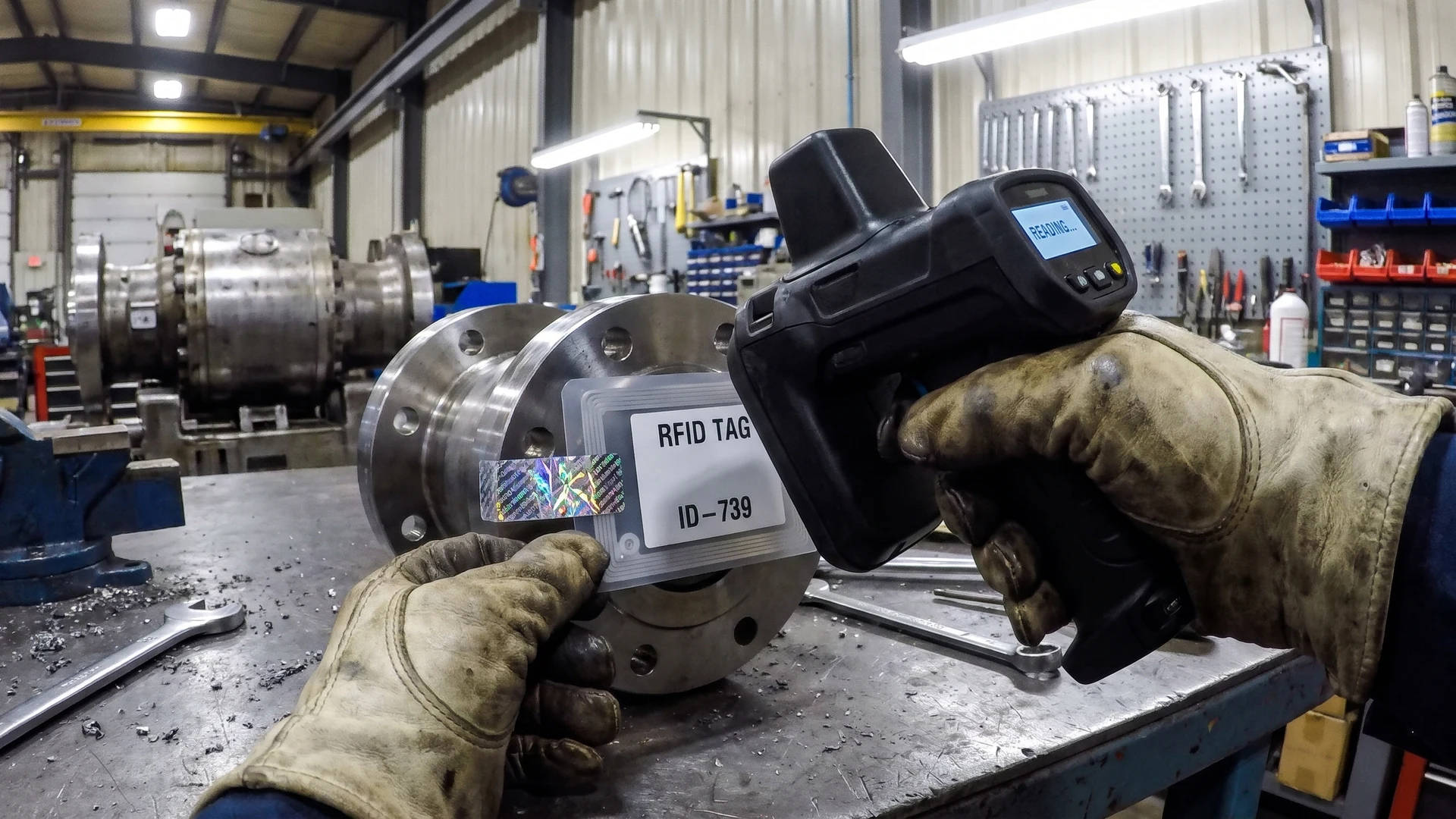
Relying solely on a digital database or a physical label creates a single point of failure that sophisticated counterfeiters can exploit. You can build a much stronger defense by layering digital tracking technology with distinct physical visual markers like holograms or specialized security inks. This hybrid approach forces bad actors to simultaneously forge complex optical features and crack encrypted microchips to successfully replicate your product. By merging these two verification methods, you establish an interlocking security ecosystem where each layer validates the authenticity of the other.
Implementing a multi-layered strategy allows everyone from warehouse staff to end consumers to verify goods efficiently. A physical hologram provides an immediate visual check for frontline workers, while the embedded digital tag allows automated scanners to verify legitimacy against your cloud records. If a forged item copies the digital code, the missing visual marker reveals the fraud instantly during physical inspection. This combined system ensures that your tracking operations remain fast and accessible while maintaining the highest possible barrier against illicit replication.
Deploying verification infrastructure for field operations
Equipping your field agents with the right verification tools allows them to authenticate products securely outside the controlled environment of a warehouse. This portable infrastructure bridges the gap between digital data and physical reality directly at the point of receipt or inspection. You need to provide your teams with reliable hardware and offline capabilities to ensure they can perform checks in remote locations. Deploying these specialized systems correctly empowers your staff to intercept fraudulent items before they enter the next stage of your supply chain.
- Mobile scanning hardware: Your field teams require ruggedized smartphones or dedicated handheld terminals equipped with specialized antennas to read digital tags reliably. These portable devices capture unique identifiers and securely transmit the data to your enterprise software for real-time validation. When dealing with close-range inspections, standard consumer devices with built-in reading capabilities often provide a frictionless experience for your agents. Selecting the appropriate mobile hardware ensures that your staff can capture verification data accurately across different operational environments.
- Offline cryptographic validation: Remote field locations frequently lack the steady cellular networks required to ping a central database for live verification. You can overcome this limitation by pre-loading your mobile scanners with secure public keys that mathematically verify the digital signature of a tag locally. The device processes the cryptographic math entirely on its own processors and caches the audit logs until an internet connection is restored. This decentralized approach guarantees that your security protocols remain active and effective regardless of network availability.
- Physical inspection instruments: Digital scans often need to be corroborated by a physical examination of covert security features built into the packaging. You should equip your agents with portable magnification tools and ultraviolet lights to quickly verify hidden inks or micro-printed text. These handheld testing devices allow operators to confirm the presence of proprietary chemical markers without sending samples to an off-site laboratory. Providing these supplementary tools ensures a comprehensive authentication process that catches sophisticated physical tampering.
Protecting warranties and safety with authentic spare parts
Fraudulent spare parts introduce severe operational risks and financial liabilities to manufacturing and automotive environments. When substandard components fail under pressure, they can cause catastrophic equipment damage and put the safety of your operators in jeopardy. Implementing a strict verification process for all incoming replacement parts ensures that only tested and certified materials enter your maintenance cycles. This proactive screening protects your workforce from hazardous malfunctions and keeps your critical machinery running at optimal capacity.
Beyond physical safety, authenticating your components forms a crucial defense against warranty fraud and revenue leakage. Unscrupulous actors often attempt to return counterfeit parts or claim failures on unapproved components, which drains your service budget unnecessarily. By scanning unique digital identifiers during maintenance and return processes, your technicians can prove exactly when and where a part originated. Securing this definitive proof of origin allows you to honor legitimate warranty claims confidently while rejecting fraudulent requests without hesitation.
Planning your step by step security implementation
Rolling out a comprehensive anti-counterfeiting project requires a methodical approach to minimize disruption to your existing operations. You should treat this deployment as a phased initiative rather than attempting to overhaul your entire supply chain overnight. The educational resources available at RFID & NFC can help you understand the foundational principles before you commit to specific hardware choices. By following a structured roadmap, you can align your technical requirements with your operational realities and ensure a smooth transition for your team.
- Identify operational vulnerabilities: Begin by mapping out the specific points in your supply chain where counterfeit items are most likely to enter or where visibility is poorest. You need to understand these exact pain points to determine what level of security and tracking your products actually require. Documenting your current workflows helps you pinpoint exactly where a digital verification step will add the most value. This initial assessment ensures you focus your resources on solving real problems rather than deploying technology blindly.
- Select compatible hardware: Once you know where the system will operate, you must choose physical tags and readers that fit those specific environmental constraints. You have to evaluate factors like reading distance, temperature extremes, and the materials your products are made of before making a hardware decision. Testing different options in a small pilot program allows you to verify that the equipment performs reliably under your actual working conditions. Choosing the right physical tools early prevents costly redesigns and technical failures later in the rollout.
- Integrate software systems: The final step involves connecting your new scanning hardware to the backend databases that will store and process your authentication records. You must configure your enterprise software to handle the incoming data streams and trigger automated alerts when suspicious activity occurs. Training your staff on how to interpret these system responses guarantees they can take immediate action when a fraudulent item is detected. A well-integrated software backbone turns raw scanning data into actionable intelligence that protects your business consistently.
Securing your brand reputation through continuous verification
Maintaining a secure product ecosystem requires an ongoing commitment to verifying goods at every stage of their journey. As you expand your digital tracking capabilities, you build a resilient supply chain that actively repels counterfeit threats and protects your revenue streams. Your customers will recognize and reward this dedication to quality, knowing that every item bearing your name is guaranteed to be authentic. With a well-planned infrastructure in place, you can move forward confidently and safeguard the long-term reputation of your brand.
How does an RFID authentication check confirm a product is genuine?
An authentication check confirms a product is genuine by matching the tag’s unique response to a database record. With Radio Frequency Identification (RFID) tags, the chip signs a one-time challenge using a secret key. The system verifies the signature and updates a counter. It rejects any repeated unique identifier (UID).
Where should we place tags on metal parts to keep reads reliable?
Place tags so your RFID reader has a clear path to them. Keep the tag’s antenna, the part that sends and receives radio, from sitting directly on metal. Use mount-on-metal tags or add a small non-metal spacer. Test read range at the angles your team will use.
How do holograms and RFID work together to stop counterfeits?
They work better together because each layer checks the other. A hologram gives you a fast visual test. Radio Frequency Identification (RFID) ties the item to a database record that must match. Tamper-evident materials fracture if lifted, so a counterfeiter must defeat both material features and a cryptographic, math-based check.
What hardware do field teams need to authenticate items on site?
Equip your team with a rugged mobile device or handheld that includes an RFID reader. Use the camera for Quick Response (QR) codes. Add a near field communication (NFC) reader if you use NFC tags. Carry an ultraviolet (UV) light and a small microscope to inspect covert inks and microprint.
How can we verify items when there is no internet connection?
Use offline verification that relies on cryptographic proofs rather than a network. Your device checks a digital signature, a tamper-proof code, with a stored public key, a code used to verify it. Or it runs a shared secret challenge and response. It caches results and enforces renewals to handle revocation.